
Australia has a bit of a global reputation when it comes to our eight-legged neighbours. If you listen to international news or scroll through social media, you’d think every Aussie home is a battlefield where we’re constantly dodging life-threatening arachnids. But here at Blue Chip Termite & Pest Control, we know the reality is a little different. While we certainly have some of the most dangerous spiders Australia has to offer, the vast majority of the spiders you’ll encounter in your Brisbane home are more of a nuisance than a mortal threat.
Understanding which spiders are friends and which are foes is the first step in maintaining a peaceful home. Most spiders are actually quite shy and do a great job of keeping other annoying insects, like flies and mosquitoes, under control. However, when they start moving into your living room or breeding in your kids’ play areas, the “roommate” agreement usually expires.
In this guide, we’re going to break down the facts, dispel the myths, and help you identify exactly what’s crawling across your ceiling.
Are House Spiders in Australia Actually Dangerous?
It is the age-old question every Australian homeowner asks when they spot a dark shape out of the corner of their eye: “Is that thing going to hurt me?”
To answer simply: very few species are truly life-threatening. Since the introduction of effective antivenoms in the early 1980s, there hasn’t been a recorded death from a spider bite in Australia. That being said, “not deadly” doesn’t mean “harmless.” Many dangerous spiders in Australia can still deliver a very painful bite that may cause localised swelling, nausea, dizziness, or, in some cases, more severe allergic reactions.
For most people, the fear of spiders (arachnophobia) is more significant than the actual biological threat. However, for households with curious toddlers, pets, or elderly residents, the risk level changes. A Redback bite that might just make an adult feel unwell for a day could be a genuine medical emergency for a small child or a family dog.
When we talk about the reality of dangerous spiders in Australia, we have to look at their behaviour. Most Australian spiders are not aggressive. They don’t go looking for a fight; they bite as a last resort when they feel squashed, poked, or cornered. The danger usually arises when we accidentally put our hand into a dark garden shed or slip on a pair of boots that have been sitting on the verandah for too long.
Common Australian Spiders You Might Find Indoors
If you’ve spotted a guest in your home, it’s likely one of the following species. Knowing who is who can save you a lot of unnecessary stress.
The Huntsman
The Huntsman is the poster child for “looks scary, is actually a softie.” They are large, hairy, and incredibly fast, which is usually what causes the most panic. They don’t build webs to catch prey; instead, they “hunt” by running down insects. While they can bite if provoked, their venom is low-risk to humans. Most of the “danger” associated with Huntsman’s comes from them dropping off a sun visor while someone is driving!
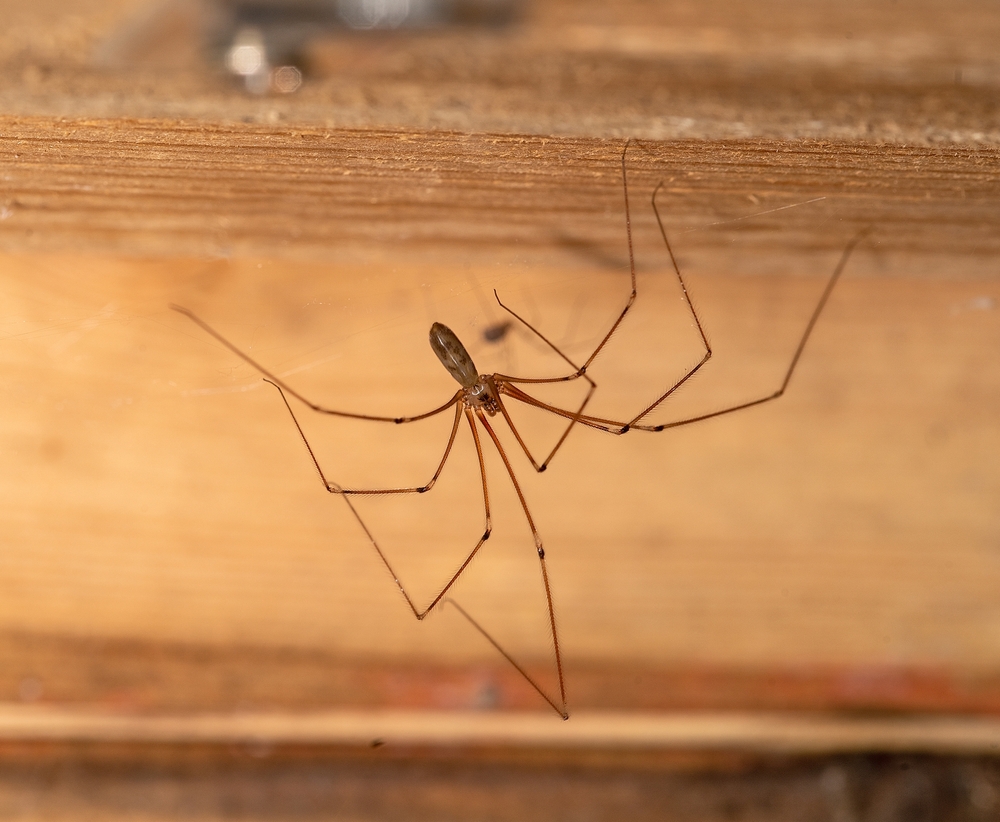
The Daddy Long Legs
These are perhaps the most common indoor spiders. They have tiny bodies and incredibly long, thin legs. There’s an old urban myth that they are the most dangerous spiders in Australia, but their fangs are too small to bite humans. This isn’t actually true (their fangs can bite, but their venom is very weak), but they are essentially harmless to us and actually kill other spiders, including Redbacks.
The Black House Spider
You’ll recognise these by their messy, funnel-like webs in the corners of window frames or under eaves. They are dark, chunky spiders. While they aren’t considered “deadly,” their bite can be quite painful and cause local swelling or nausea. They are generally shy and stay within their webs.
The Redback Spider
Now we’re moving into the territory where you need to be cautious. The Redback is one of the few truly venomous spiders we regularly encounter. They love dry, dark places—think under the outdoor setting, inside the barbecue, or in the crevices of the garage. Because they are small and like to hide, they are easily disturbed by accident. If you find an infestation, seeking professional Redback spider control is the safest way to clear your property without risking a bite.
The White-tailed Spider
White-tails are “wandering” spiders. They don’t build webs; they hunt other spiders. They are often found inside folds of clothes left on the floor or tucked into bedsheets. There has been a lot of debate about whether their bite causes skin necrosis (flesh-rotting). Recent medical studies suggest this is largely a myth, but their bite is still painful and can cause a persistent, itchy red mark.
Harmless vs. Venomous: How to Tell the Difference
Distinguishing between a harmless visitor and a potentially dangerous spider in Australia isn’t always easy if you’re looking at them through a veil of panic. However, there are a few key indicators to look for:
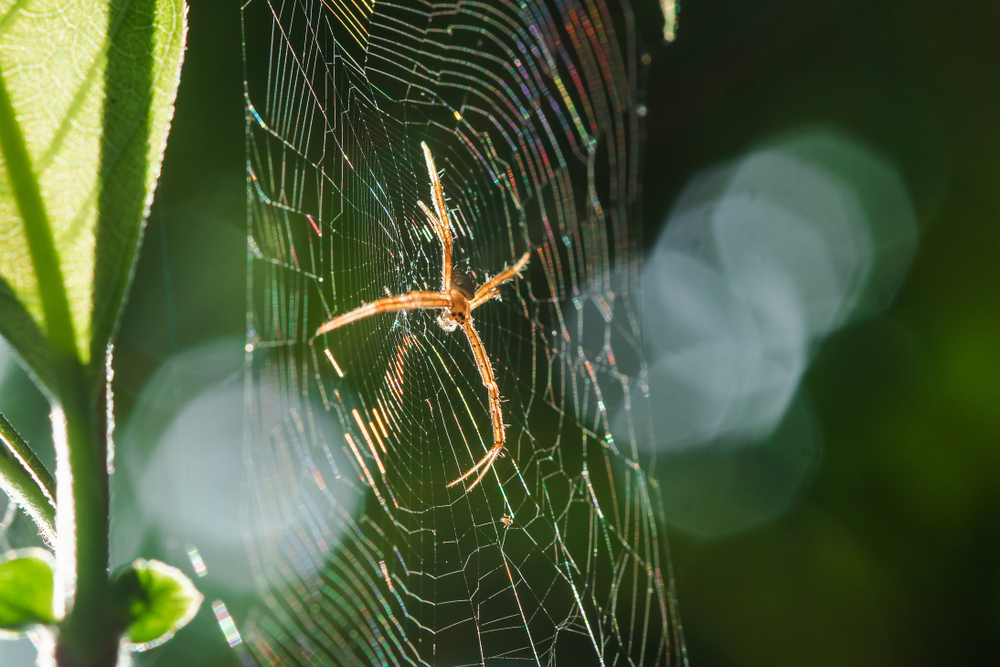
- The Web: If the web is a beautiful, symmetrical orb (like the ones you see in cartoons), it’s likely an Orb-weaver, which is totally harmless and great for the garden. If the web is messy, tangled, and has a funnel-like entrance in a brick crevice, it could be a Black House spider. If it’s a tiny, structural web in a dark corner with a red-striped resident, that’s a clear sign you need Redback spider control.
- Body Shape and Markings: Most dangerous spiders have distinct markings. The bright red or orange stripe on a Redback’s back is a universal “stay away” sign. White-tailed spiders have a distinct white tip at the end of their dark, cigar-shaped bodies.
- Movement: Spiders that stay still in a web are generally easier to manage. Wandering spiders, like the White-tail or the Wolf spider, are more likely to end up in your shoes or bedding.
- The Legs: This sounds unscientific, but most harmless spiders like the Huntsman or Daddy Long Legs are quite “leggy.” Many of the more concerning species tend to have shorter, sturdier legs relative to their body size (with the exception of the Funnel-web, which is rarely found inside Brisbane homes but is very distinct).
If you are ever unsure, the golden rule is: Do not touch. Identifying dangerous spiders in Australia is best done from a distance. If you can safely take a photo, you can often identify it online, but never put your hands in a dark spot where you can’t see what’s lurking.
When a Spider Problem Requires Professional Pest Control
For many people, a single spider is one too many. But when does a few “scout” spiders turn into a situation that requires a professional spider pest treatment?
You should consider calling in the experts if:
- You see Redbacks regularly: Because of their potent venom and tendency to hide in areas where children play, a Redback presence shouldn’t be ignored. Professional Redback spider control ensures that the spiders and their egg sacs are completely removed.
- You find egg sacs: One spider is a guest; fifty spiderlings are an invasion. If you see white, silken baubles in your eaves or corners, you have a breeding population.
- There’s an “infestation” feel: If you are clearing webs away only for them to reappear the next morning, or if you’re seeing multiple spiders in every room, you likely have a high population of prey insects (like moths or beetles) that are drawing them in.
- Safety is a priority: If you have infants crawling on the floor or pets that like to stick their noses into corners, a preventative spider pest treatment provides peace of mind that DIY sprays just can’t match.
At Blue Chip Termite & Pest Control, we don’t just spray and leave. We look at the entry points, identify the species, and use treatments that are safe for your family while being incredibly effective against arachnids.
Keep Spiders Out of Your Home With Blue Chip Termite & Pest Control
We understand that sharing your home with spiders isn’t everyone’s idea of a good time. While most of our local species are harmless, the anxiety they cause is very real, and the risk from venomous species like the Redback is something no homeowner should have to manage alone.
If you’ve noticed an uptick in eight-legged visitors or you’ve spotted one of the more dangerous spiders Australia is known for, don’t wait until someone gets a nasty nip. Our team at Blue Chip Termite & Pest Control offers comprehensive spider pest treatment options tailored to the specific species found in your area. We use the latest, safest methods to ensure your home remains a sanctuary for your family, not a habitat for pests.
Ready to clear the webs and reclaim your home? Contact our friendly team today for a quote or to book an inspection. We’re local, we’re experts, and we’ve got the tools to handle even the cheekiest Huntsman or the most stubborn Redback infestation. Give us a call and let’s get your pest problem sorted.