
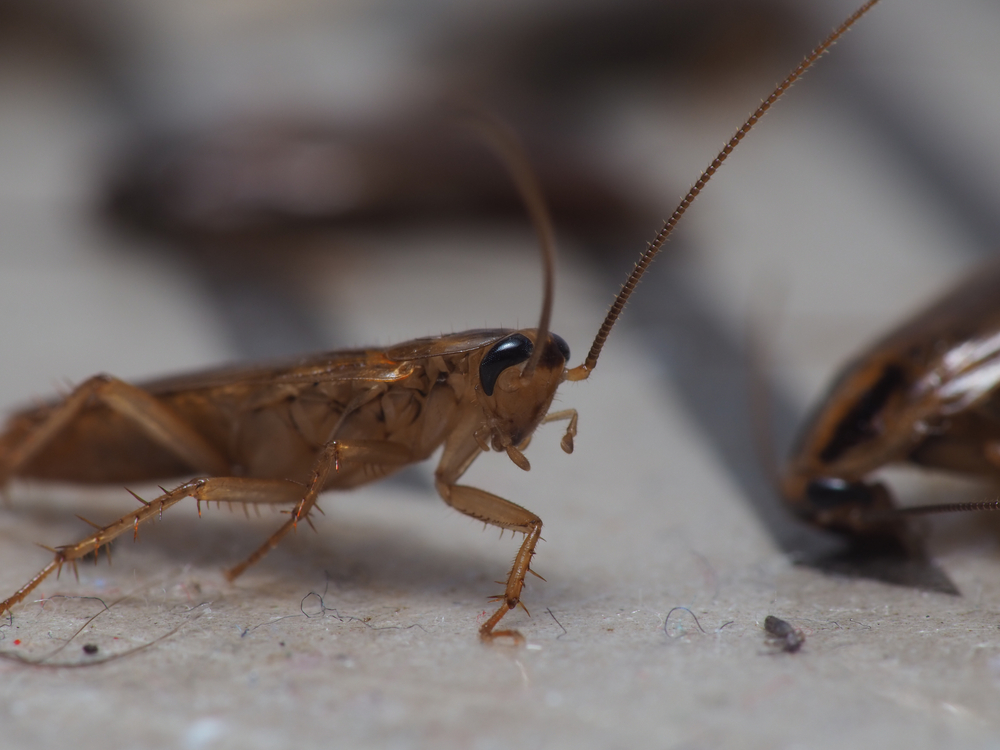
There is a specific kind of dread that comes with flicking on the kitchen light in the middle of the night and seeing a small, tan shape scuttle across your benchtop. In Brisbane’s warm and humid climate, pest sightings aren’t exactly rare, but the German cockroach is a different beast entirely. Unlike the large, clunky American cockroaches that occasionally fly in through an open window, German cockroaches are small, fast, and notoriously difficult to evict once they’ve settled in.
At Blue Chip Termite and Pest Control, we understand that your kitchen is the heart of your home. It’s where you prep family meals, entertain guests, and store your week’s groceries. Having that space invaded by pests isn’t just a nuisance; it’s a genuine health concern. German cockroaches are known carriers of bacteria like Salmonella and E. coli, and their presence can trigger allergies and asthma, especially in children.
To help you protect your home, we’ve put together this comprehensive guide on cockroach prevention specifically tailored for the kitchen environment. By understanding their habits and removing their incentives to stay, you can significantly reduce the risk of an infestation taking hold in your cupboards.
Why German Cockroaches Love Your Kitchen
To effectively implement cockroach prevention, you first have to understand why these insects are so drawn to kitchens in the first place. The German cockroach (Blattella germanica) has evolved to live almost exclusively alongside humans. They aren’t looking for a garden or a nice tree; they are looking for a climate-controlled environment with easy access to three things: heat, moisture, and food.
The Heat Factor
German cockroaches have a high metabolic rate and thrive in temperatures between 25°C and 30°C. In a modern kitchen, there are dozens of “micro-climates” that fit this description perfectly. The motor of your refrigerator, the underside of your dishwasher, the back of your microwave, and even the internal components of your coffee machine provide a constant, gentle warmth that allows them to breed year-round. This is why they are often found huddled deep inside electronics where standard surface sprays can’t reach.
Moisture is Essential
While they can survive for a few weeks without food, a German cockroach will perish in mere days without water. This makes the kitchen, with its sinks, plumbing, and appliances, a literal oasis. They don’t need a puddle to survive; a tiny bead of condensation on a pipe or a damp sponge left in the sink is enough to sustain a whole colony.
An All-You-Can-Eat Buffet
Kitchens are naturally high-traffic areas for food. Even the most meticulous cleaner will occasionally miss a crumb behind the toaster or a small spill of juice that trickles down the side of the cabinet. These tiny amounts of organic matter are high-calorie feasts for a roach. Furthermore, they are not picky eaters. They will happily consume grease films on exhaust fans, the glue on the back of food labels, and even crumbs trapped in the hinges of your pantry doors.
Early Signs of a German Cockroach Infestation
One of the most important kitchen pest tips we give our clients is to look for the “invisible” signs. Because these roaches are nocturnal and highly secretive, you might have a growing population for weeks before you actually see a live insect.
Pepper-Like Droppings
German cockroach faeces are very distinct. They look like tiny grains of black pepper or dark coffee grounds. You will typically find these concentrated in the corners of drawers, on top of cupboard hinges, or along the skirting boards behind appliances. If you see these “pepper spots,” it’s a clear sign that roaches are frequenting that area.
Smear Marks
In areas of high humidity or near water sources, the droppings can take the form of dark, irregular smear marks. You might see these along the top of the wall where it meets the ceiling, or on the underside of shelves.
The “Musty” Odour
A large colony of German cockroaches produces a distinctively unpleasant, musty, or oily smell. This is caused by the pheromones they use to communicate. If you open a cupboard and notice a strange, lingering scent that shouldn’t be there, it’s worth investigating further.
Egg Casings (Oothecae)
The female German cockroach is a prolific breeder. She carries her egg case (which can contain up to 40 eggs) until just a few hours before they hatch. These cases are light brown, about 6–9mm long, and look like tiny, ribbed purses. Finding empty or intact casings in your pantry is a red-flag indicator that a breeding cycle is active in your home.
Remove Food & Water Sources That Attract German Cockroaches
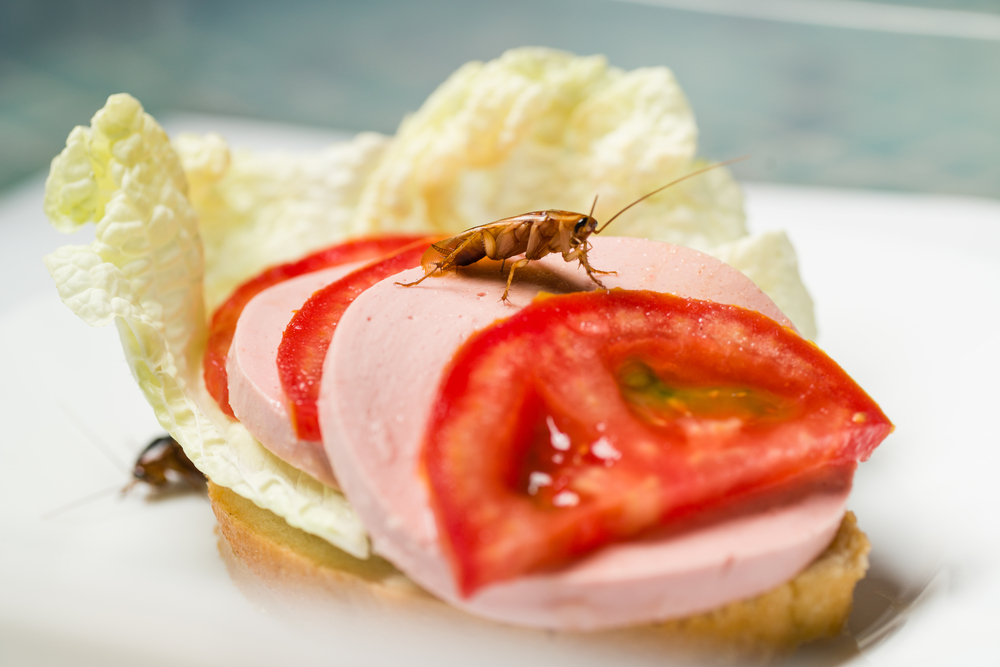
The core of any cockroach prevention strategy is to make your kitchen as inhospitable as possible. If there is nothing to eat and nowhere to drink, the roaches will struggle to survive and reproduce.
Airtight Food Storage
The cardboard boxes that cereal, crackers, and pasta come in provide zero protection. Roaches can easily squeeze through the folds or even chew through thin cardboard. Transfer all dry goods into airtight glass or hard plastic containers. This doesn’t just block their access to the food; it also contains the smells that attract them in the first place.
The “Nightly Sink Scrub”
Before you go to bed, make it a habit to dry out your kitchen sink with a microfibre cloth. Ensure there are no soaking dishes left overnight and squeeze out sponges so they aren’t holding excess moisture. This simple step removes the primary “watering hole” for the colony.
Appliance Deep-Cleans
We often focus on the benchtops, but the “hidden” areas are more important for cockroach prevention. Every few months, take your fridge out and, if you can, your oven. You will likely find an accumulation of dust, hair, and food debris. Vacuuming and degreasing these areas removes the “emergency” food stores that roaches rely on when the benchtops are clean.
Managing Pet Food
Your dog or cat’s dinner is just as appealing to a roach as your own. Avoid leaving pet bowls out overnight. If your pet hasn’t finished their meal, pick it up, store it, or dispose of it. Store bulk bags of pet food in sealed plastic bins rather than leaving them open in the laundry or pantry.
Eliminate Hiding Spots Through Cleaning & Sealing
German cockroaches are thigmotactic, meaning they prefer to be in spaces where they can feel a solid surface against both the top and bottom of their bodies. This is why they love cracks and crevices. To keep them out, you need to identify and close off German cockroach entry points.
Seal the Gaps
Inspect your kitchen cabinetry and the areas where utilities enter the room. Use a high-quality silicone sealant to fill:
- The gaps where the kickboards meet the floor.
- The space around plumbing pipes under the sink.
- Crevices between the backsplash and the countertop.
- Cracks in the plaster or behind the cornices.
By eliminating these German cockroach entry points, you prevent them from using the wall voids as a highway system to move between rooms or units.
Cardboard and Paper Management
Another of our favourite kitchen pest tips is to get rid of cardboard boxes immediately. German cockroaches love cardboard because it provides insulation, hiding spots, and the glue used to hold the boxes together is a food source for them. Many infestations start because roaches (or their egg cases) were “hitched” into the house inside a delivery box or a bag of groceries. Unpack your groceries and take the cardboard straight to the outdoor recycling bin.
De-Clutter Your Cupboards
A cluttered cupboard is a roach’s paradise. Piles of plastic bags, stacks of old newspapers, or overfilled “junk drawers” provide infinite hiding spots where they can rest undisturbed during the day. Keeping your storage areas organised and sparsely populated makes it much harder for them to hide and easier for you to spot the early signs of their presence.
When DIY Prevention Isn’t Enough, Contact Blue Chip Termite and Pest Control
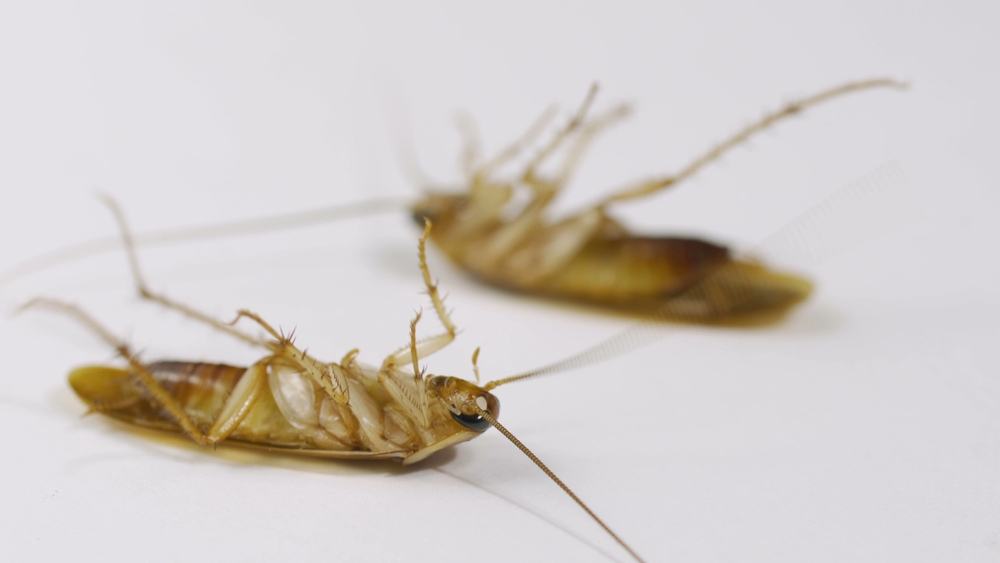
Even with the most rigorous cockroach prevention habits, these pests can sometimes find a way in. Because they breed so rapidly, one female and her offspring can produce tens of thousands of individuals in a single year; a small problem can become an overwhelming infestation in a matter of weeks. Supermarket sprays often fail because they only kill the roaches you see, while the rest of the colony retreats deeper into the walls or electronics, often developing a resistance to the chemicals in the process.
If you are seeing signs of an infestation or simply want the peace of mind that comes with a professional barrier, our team is here to help. German cockroaches require specialty non-repellent chemicals to get them under control. If cheap chemicals are used, German cockroaches actually avoid the sprayed areas. This is why we use advanced, integrated pest management techniques that are specifically designed to target German cockroaches at the source while remaining safe for your family and pets.
Whether you need a targeted cockroach treatment for your home or are looking for high-standard commercial pest control for your restaurant or cafe, we have the expertise to get the job done right.
If you’re ready to reclaim your kitchen from these persistent invaders, don’t wait for the problem to grow; reach out to our friendly team at Blue Chip Termite and Pest Control to book your professional inspection today. Ensure your kitchen remains a clean, safe, and roach-free environment for years to come.