

Cold winter nights in Brisbane often bring unexpected sounds from overhead as wild animals seek warmth inside residential properties. During routine winter assessments, the Blue Chip team frequently encounters homeowners who are unsure which creature has moved into their ceiling void. Property owners must accurately determine whether the source of this disruption is a rat or a possum to implement the correct property management strategy. Heavy thumping sounds typically point to a native marsupial, whereas rapid scuttling and sharp gnawing indicate a rodent infestation.
Property owners often experience stress when uninvited guests settle above the ceiling cavity. According to state environmental data, these animals are among the most versatile and adaptable of Australia’s marsupials. They regularly choose residential roof spaces as alternative dens when mature trees are scarce. Our on-the-ground inspection findings show that Brisbane’s iconic Queenslanders and homes are particularly susceptible to these wildlife visitors. Accurate identification of the exact occupant helps you choose between conservation-based relocation and targeted rodent treatments.
Who’s Who in Your Roof? The Quick-Glance Identification Guide
| Feature | Invasive Roof Rat | Protected Native Possums |
| Sound Profile | Light, rapid pitter-patter; sharp chewing/gnawing noises in walls. | Heavy, deliberate thumping; sounds like a person pacing overhead. |
| Droppings | Small (~7 mm), thin, pointed, spindle-shaped. | Large (> 15 mm), thick, distinct sausage/cylindrical shape. |
| Waste Habits | Scattered continuously along regular travel pathways. | Concentrated in specific “latrine” spots near structural exits. |
| Activity Timeline | Continuous, all-night activity cycles inside the roof void. | Silent during the day, loud exit at dusk, and a heavy return before dawn. |
| Legal Status | Pest species requiring systematic eradication. | Protected native wildlife requiring licensed relocation (max 25m). |
| The Solution | Targeted, pet-friendly calcium baiting programs. | Professional, conservation-based exclusion and relocation. |
The Early Winter Warning Signs of a Rat or Possum in the Roof
Thermal changes drive outdoor animals to seek sheltered nesting sites during the cooler months. Property voids offer protection from predators and the elements, making them ideal spaces for pests to settle. Our technicians note distinct operational patterns during residential calls that quickly reveal what type of animal has moved upstairs.
Brisbane properties provide easy entry points through loose tiles, unsealed eave structures, or open utility gaps. When outdoor temperatures drop, these small structural openings allow wildlife to access warm insulation layers. Our team frequently finds that rats can squeeze through gaps as small as a thumb, while possums require larger openings, often manipulating loose tin sheets or compromised valley iron to force entry.
You can quickly assess the situation by looking for specific diagnostic indicators:
- Loud, heavy thumping noises usually mean a larger animal is walking across the ceiling timber.
- Light, rapid scratching or squeaking indicates the presence of a small rodent.
- Large, cylindrical waste pellets indicate that a marsupial has entered the zone.
- Small, thin, pointed waste items suggest that mice or rats are nesting in the insulation.
Identifying Rat vs Possum Sounds in Your Roof
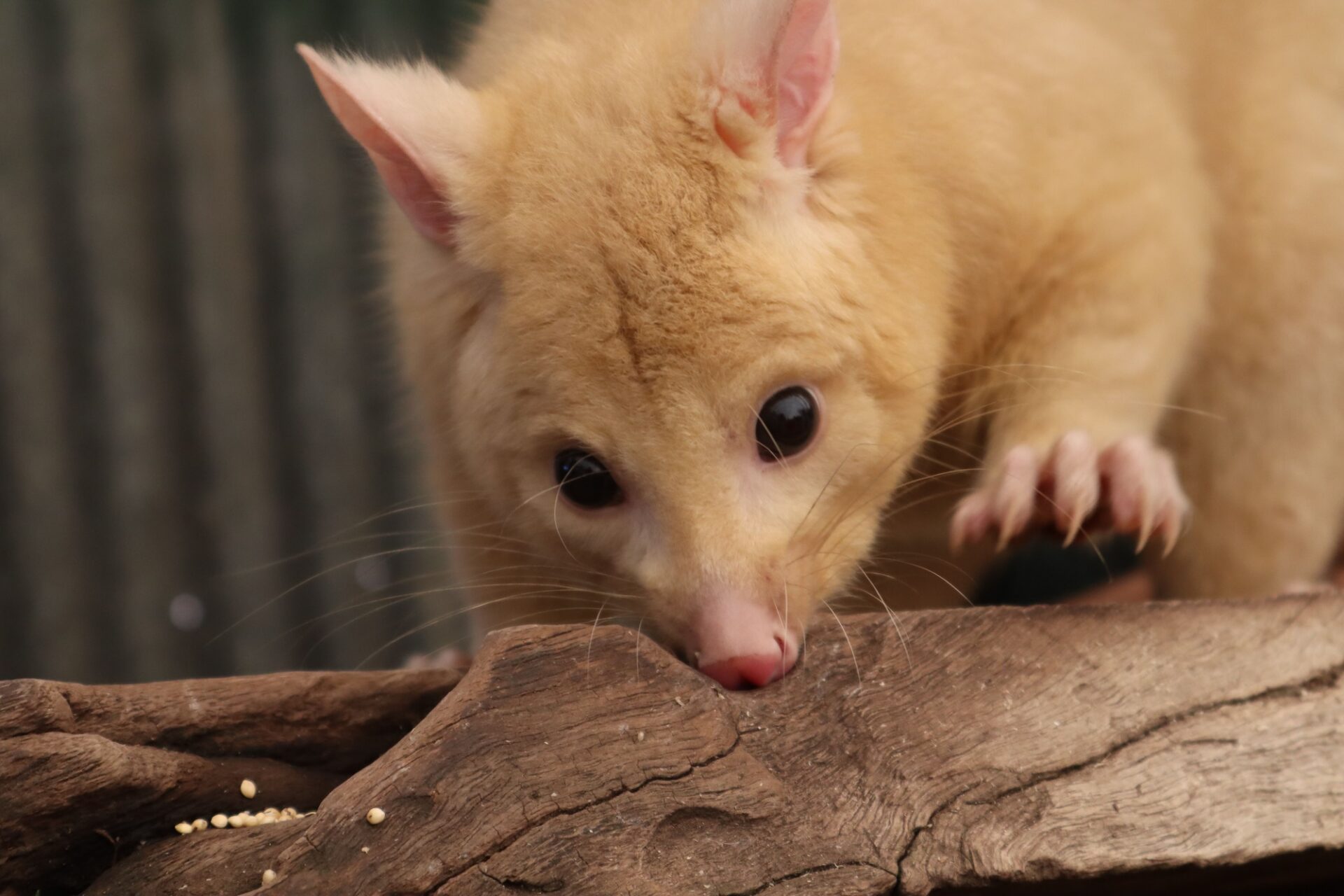
Acoustic monitoring provides an immediate way to identify hidden roof guests without having to enter the ceiling cavity. Plasterboard walls and ceilings act as sound amplifiers, transmitting the animal’s weight and movement directly to the rooms below.
When home occupants face a persistent possum or rat causing roof scratching, the precise nature of the noise helps determine the next steps.
Heavy Footsteps and Thumping Dynamics
Common brushtail possums can weigh up to four kilograms, which significantly alters how they move across structural timbers. Their activity typically creates heavy, deliberate footsteps that sound like an adult pacing across the ceiling plaster. Homeowners may also hear loud thumping, heavy rolling, or intense scratching near the gutters as these larger marsupials return to their preferred sleeping spots.
Rapid Scurrying and Timber Gnawing Activities
Roof rats possess a much lighter build, usually weighing between 200 and 300 grams. Because of their light weight, their travel produces a rapid, light pitter-patter sound. They must gnaw on tough materials like structural timbers or electrical wiring to grind their teeth down and control their growth, creating a distinct, sharp chewing sound within wall cavities.
Analysing Physical Evidence: Possum Droppings or Rat Droppings
Visual inspections of physical waste provide definitive confirmation of the type of infestation before any treatment begins. A close inspection of suspected possum droppings or rat droppings provides clear physical confirmation of the species currently nesting in your home.
Faecal Shape and Size Differences
Rodent waste varies by species but generally maintains a small, distinct shape. Roof rats typically leave behind ellipsoid or spindle-shaped droppings that measure roughly seven millimetres in length. In contrast, common brushtail possums produce much larger waste that exceeds 15 millimetres in length and has a distinct sausage shape or cylindrical form.
| Identification Feature | Invasive Roof Rats | Protected Native Possums |
| Sound Profile | Rapid scurrying, light scratching, continuous gnawing | Heavy footsteps, loud thumping, occasional gutter scratching |
| Dropping Shape | Small, thin, pointed, ellipsoid or spindle-shaped | Large, cylindrical, sausage-shaped |
| Activity Pattern | Constant movement throughout the night inside the void | Loud exit at dusk, heavy return before dawn |
| Legal Status | Pest species requiring systematic eradication | Protected native wildlife requiring licensed relocation |
Distribution Layouts and Latrine Habits
The location of the waste items offers another clue regarding the animal’s identity. Rats tend to scatter their pellets continuously along their regular travel pathways and near nesting zones. Possums exhibit specific latrine habits, often concentrating their waste in distinct areas near their main structural exit points or under preferred outdoor feeding branches.
Day and Night Behaviours of Domestic Roof Intruders
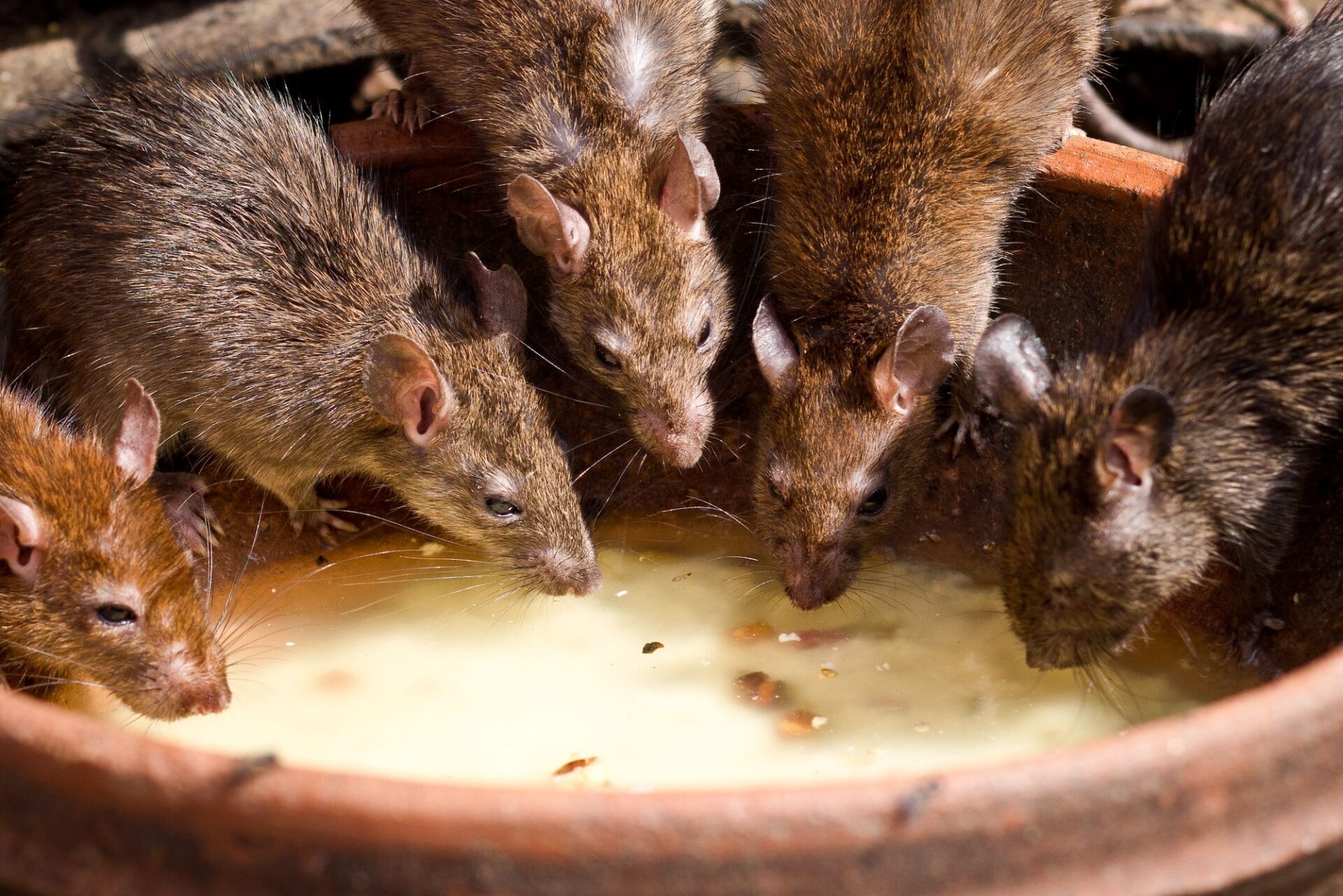
Clear knowledge of these animals’ daily schedules helps homeowners identify when activity peaks and why specific noises occur at certain hours. Although both species are nocturnal, their movement patterns inside and outside the home differ significantly.
Dusk and Dawn Movements of Marsupials
Possums treat the roof void as a safe daytime den, meaning they remain quiet during daylight hours. Their movement peaks at dusk when they exit the structure to forage for leaves, flowers, and garden fruit. A second peak occurs just before dawn when they return to the ceiling space, creating a series of loud, heavy thumping sounds as they settle down to sleep.
All-Night Activity Cycles of Common Rodents
Rats behave differently by using the ceiling cavity as an active base for foraging, nesting, and breeding all night long. Because they stay within the structure for extended periods, homeowners often hear continuous scratching, running, and chewing throughout the night. These rodents pose health risks because they spread disease and bacteria through physical contamination and scattered waste, which can spoil home environments and compromise food safety.
Safeguarding Your Family with Pet-Friendly Calcium Baits
Managing a rodent issue requires careful attention to the safety of your household pets and local wildlife. Traditional store-bought rodenticides rely on rapid blood-thinning agents (anticoagulants) that bioaccumulate and remain active in the target pest’s body. This creates a severe risk of secondary poisoning for local predatory wildlife, such as owls and hawks, that eat dying rodents.
To address this risk, securing expert rodent control services provides access to specialised treatment methods. Professional pest controllers utilise targeted calcium-based baiting options that work through hypercalcaemia (vitamin D3 overload). This mechanism significantly reduces the risk of secondary poisoning to predatory wildlife and pets compared to traditional anticoagulants, keeping non-target animals much safer while effectively clearing target pests from the roof void.
How Professional Control Methods Compare to General Home Measures
Amateur attempts to clear roof pests often result in accidental property damage or legal complications. Professional pest management combines structural knowledge with specialised tools to deliver lawful, permanent solutions.
Legal Protections and Relocation Boundaries for Native Wildlife
Native marsupials are protected under strict Queensland conservation regulations, making it illegal to harm them or trap them without appropriate permits. Licensed relocators must release captured possums within 25 metres of the capture point to ensure the animal remains within its established home territory. Unprofessional proofing risks trapping the animal in the ceiling, leading to structural damage and severe distress for the animal.
Systematic Eradication and Forage Radius Tracking for Rodents
Rats multiply quickly and require a highly structured approach to achieve complete removal. Because roof rats possess a foraging radius of approximately 50 metres, effective rat pest control requires tracking their regular travel paths and placing secure bait stations at strategic external entry zones. For larger properties, establishing a structured commercial and industrial rodent management plan ensures health compliance and complete structural protection.
Contact Blue Chip Termite and Pest Control for Reliable Rat Pest Control in Brisbane
Unaddressed pest activity in your roof void can lead to chewed electrical cables, ruined insulation, and health hazards. Our field teams frequently discover exposed live wires caused by rodent chewing, highlighting the genuine fire risks involved. Accurate identification of an intruding animal allows you to implement the right response before major structural damage occurs.
Investing in professional rat pest control preserves your property’s value and brings immediate peace of mind. The team at Blue Chip Termite and Pest Control provides safe, lawful, and pet-friendly treatment programmes tailored to your specific home layout. To secure your property, eliminate distracting noises, and restore quiet nights, contact Blue Chip Termite & Pest Control today for a professional inspection.
Frequently Asked Questions (FAQ)
Can a rat or possum inhabit the exact same ceiling space simultaneously?
Yes, it is possible for both animals to occupy the same roof void if the property is large, though it is quite uncommon. Possums are highly territorial creatures and will defend their nesting territory, which naturally forces smaller rodents to stick to distant corners or wall cavities.
Will standard commercial rodent treatments cause secondary poisoning in backyard pets?
Traditional blood-thinning baits pose a severe risk of secondary poisoning if a domestic dog or cat consumes a poisoned rodent. To minimise this risk, professional teams utilise specialised calcium-based formulations that carry a substantially lower risk of secondary toxicity to non-target animals and pets.
Are native wild animals like brush-tailed marsupials legally protected under local regulations?
Yes, all native possums are fully protected under Australian wildlife legislation. It is illegal to harm them or relocate them more than 25 metres from the spot where they were caught, meaning exclusionary home maintenance is the preferred management method.
How far will rodents typically travel from their main nest to look for food?
Common roof rats generally have a foraging radius of about 50 metres, meaning their food source is almost always on your property or right next door. Mice have a smaller reach of roughly 10 metres from their primary nesting site.
Do commercial properties and industrial warehouses experience these same winter pest issues?
Yes, large commercial structures, schools, and restaurants face winter pest pressures as temperatures drop. These spaces require integrated management plans, regular site assessments, and securely locked bait stations to satisfy local health regulations.
Why do rodents continually chew on structural timbers and building wires?
Rodents possess two sharp front teeth in both their upper and lower jaws that grow continuously throughout their lives. They are biologically driven to gnaw on tough materials like timber and electrical wiring to grind their teeth down and control their growth.