
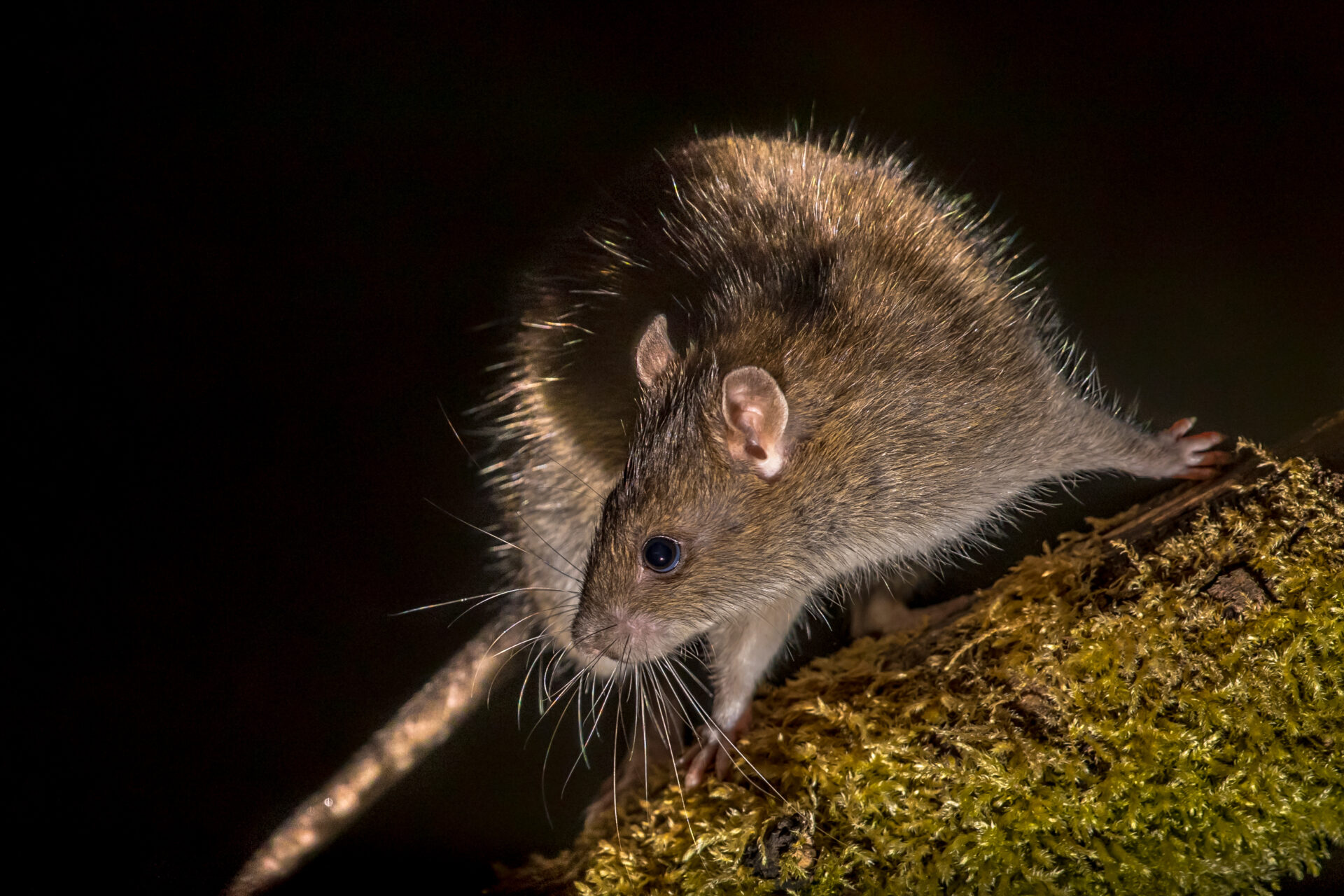
When the golden leaves begin to fall and the Brisbane humidity finally fades, most of us welcome the cooler winter air. At the same time, rats and mice are also searching for warmer shelter during the cooler months.
While we reach for an extra blanket, local rats and mice search for a warm, dry spot to spend the winter. That is why rodent problems in roof spaces become so common across Queensland suburbs from March to August. Your ceiling space gives pests perfect conditions since it has thick insulation for nesting, protection from predators, and easy access to your kitchen.
The Winter Migration: Why Rodents in Roof Voids Increase
The shift in weather acts as a biological alarm clock for rodents. When the ground temperature drops and the rain becomes more frequent, their outdoor burrows become cold and damp. Naturally, they look for the closest elevated, dry environment. In most Brisbane suburbs, that means the ceiling of your home.
Rodents have a strong biological drive to seek warmth and stable environments as seasonal conditions change. This instinct makes residential homes a prime target during the cooler months.
Seeking Shelter from the Brisbane Chill
Even though our winters are mild compared to southern states, the drop in night-time temperatures drives mice to seek cover. Your roof insulation serves as an excellent shelter for a rat. It is soft, keeps them warm, and remains undisturbed by humans. Once a single “scout” finds a way in, they leave pheromone trails that tell the rest of the colony exactly where to go.
Overhanging Branches Create a “Tree-to-Roof” Highway
You might wonder how a rat gets onto your roof in the first place. Often, we provide the path for them. Overhanging branches act as a bridge. They allow rodents to bypass your walls and jump straight onto your shingles or gutters. If you have trees touching your roofline, you have essentially built a high-speed highway for pests to enter your home.
Recognising the Signs: Is There a Rodent on Your Roof?
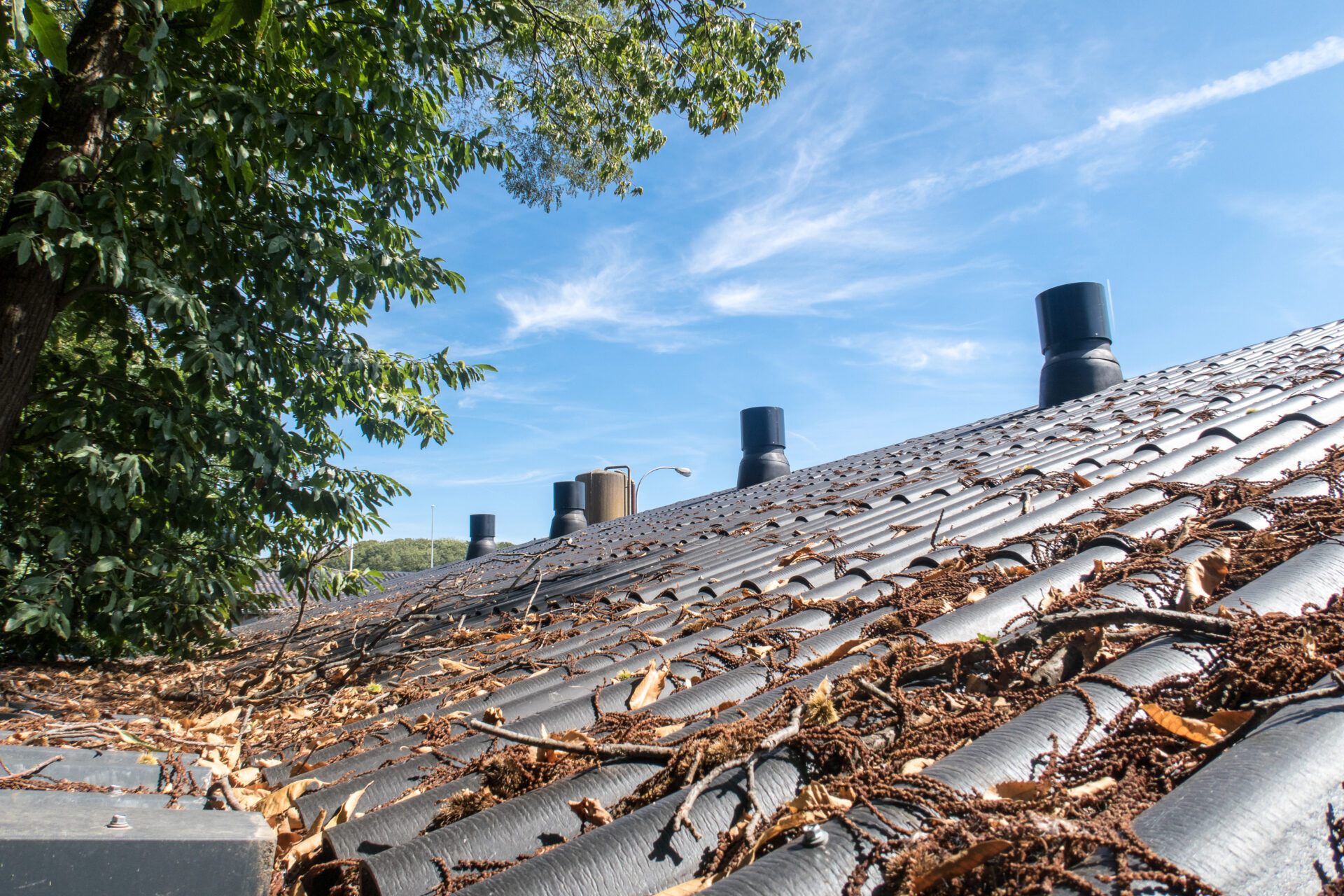
Rodents are nocturnal and usually stay hidden during the day. They are quite noisy throughout the night. Being aware of the early signs can help you stop a small problem before it becomes a full-blown infestation.
Night-time Noises and Scratching
The most common sign of rodents in roof voids is the sound of activity after dark. You might hear light “pitter-patter” footsteps, heavy dragging sounds, or scratching against the plasterboard. Because sound carries through the ceiling cavity, these noises often seem much louder than the animal actually is.
Identifying Droppings and Gnaw Marks
If you have a manhole or ceiling hatch, a quick look inside with a torch can reveal the truth. Mouse droppings are small and pointed, similar to grains of rice. Rat droppings are larger and more rounded. You may also see “rub marks,” which are dark, greasy stains left along beams or walls where the rodents’ oily fur rubs against the surface.
The Hidden Dangers of Leaving Rodents Untreated
Leaving rodents in your roof leads to serious property damage and health concerns.
Why Rats Chew Electrical Wiring and Create Fire Hazards
Rodents have teeth that never stop growing. To keep them at a manageable length, they must constantly gnaw on hard materials. Unfortunately, the plastic coating on your home’s electrical wiring is a perfect texture for them. Chewed wires are a leading cause of house fires in Queensland. The exposed copper can spark against insulation or timber.
Health Risks: Allergens and Diseases in Ceiling Dust
Rodents are known to spread over 35 diseases that can infect both humans and pets. These diseases can be transmitted through contact with soil, water, or dust contaminated by infected animal urine. As they move through your roof, they leave behind urine and droppings.
Our humid Brisbane weather creates a perfect breeding ground for bacteria in these confined spaces. The natural moisture in the air causes organic waste to break down quickly, which intensifies the accumulation of airborne allergens.
Over time, these waste products dry out and turn into fine, contaminated dust. When you turn on your ducted air conditioning, these particles circulate through your home. This movement can trigger severe asthma attacks or spread serious illnesses.
How to Prevent Rodents in House and Roof Spaces
Knowing how to prevent rodents in house areas is about making your property as unattractive as possible. Effective prevention of rodents relies on a strategy called “exclusion.”
Seal the Entry Points (Exclusion Tactics)
A mouse can fit through a hole the size of a pen. To keep them out, you need to check:
- Weep holes: Use stainless steel mesh covers.
- Pipe penetrations: Seal gaps where plumbing enters the wall.
- Roof tiles: Ensure there are no cracked or shifted tiles.
- Eaves: Check for gaps between the wall and the roofline.
Garden Maintenance and Sanitation Tips
Pests are drawn to food and clutter. Keep your lawn mowed and remove piles of timber or junk near the house walls. If you have fruit trees such as citrus or macadamias, pick up any fallen fruit daily. Also, ensure pet food bowls are kept inside overnight to remove an easy midnight snack for a hungry rat.
Why DIY Rodent Control Often Fails in Brisbane Homes
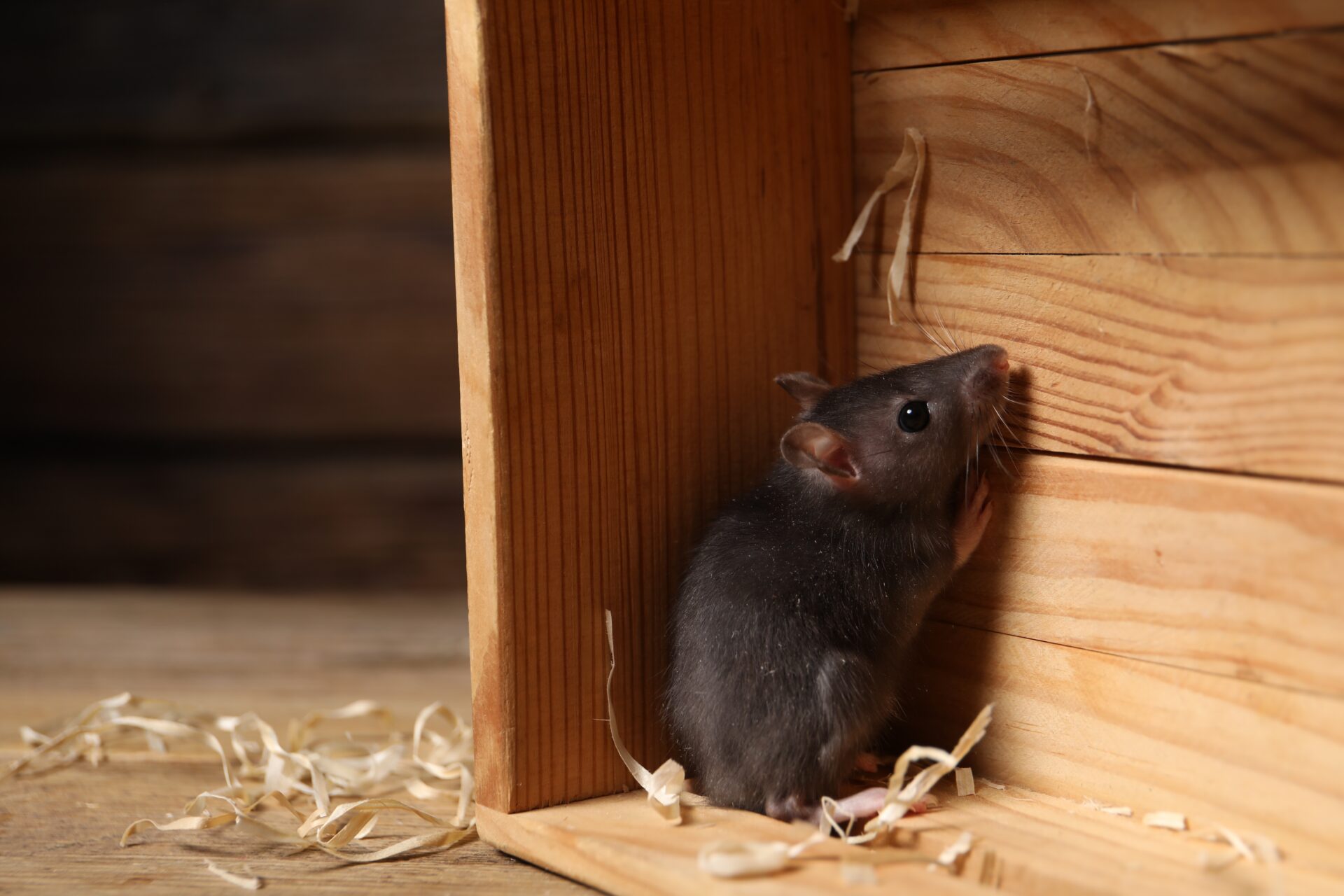
Many homeowners try to solve the problem themselves by heading to the local hardware store. While these products can work in small cases, they often fall short for established infestations.
The Problem with Grocery Store Baits
Retail baits are often less potent than professional-grade products. Furthermore, if the bait is placed incorrectly, the rodents may simply ignore it or take it back to a nest where it remains uneaten. There is also the risk of “secondary poisoning” if a pet or local bird eats a rodent that has consumed a low-quality bait.
Why “Filling Holes” Is Insufficient
If you seal a rodent inside your roof without removing the population first, they will become desperate. A trapped rat will chew through plasterboard, timber, and even soft metals to find a way out. This often results in more damage than you had in the first place.
The Professional Rodent Management Approach at Blue Chip Termite & Pest Control
The team at Blue Chip Termite & Pest Control uses a systematic approach to rodent control. We find the source of the problem before applying the appropriate treatments.
Safe Treatment for Families and Pets
As a family-owned business, we understand that the safety of your kids and pets is your top priority. We use premium-grade products and secure bait stations that prevent accidental contact by non-target animals. Our methods are highly effective against pests while remaining low-risk for your household.
Long-Term Prevention Strategies
Our service includes advice on structural repairs and environmental changes you can make to ensure the rodents stay away next winter. This might include identifying specific entry points or suggesting changes to your industrial or commercial property storage habits.
Reclaim Your Peace of Mind with Blue Chip Termite & Pest Control
You deserve to sleep soundly without the sound of scratching overhead. If you suspect you have uninvited guests in your ceiling, the team at Blue Chip Termite & Pest Control is here to help.
As local experts who know exactly how Brisbane pests behave, we offer honest, reliable service with transparent pricing. Contact our friendly team today for a quote or to book an inspection. Let’s make sure your home stays a sanctuary this winter.
Frequently Asked Questions (FAQ)
1. Why do I suddenly have rodents on my roof during winter?
As Brisbane nights cool down, rats and mice seek dry, warm shelter. Your roof insulation provides the perfect nesting environment away from the winter wind and rain.
2. What are the signs of a rodent infestation in the ceiling?
Look for “scurrying” or scratching sounds at night, small dark droppings near manholes, or a distinct musky odour. Chewed electrical wiring or timber is also a major red flag.
3. How do I prevent rodents in my house effectively?
The most effective prevention of rodents involves “denying entry.” This means sealing gaps in brickwork, using mesh on weep holes, and ensuring no food sources (like pet food) are left outside.
4. Can overhanging branches cause a rodent problem?
Absolutely. Overhanging branches act as a bridge for climbing rats. We recommend keeping all trees trimmed at least 2 metres back from your roofline to remove this “pest highway.”
5. Are rodents on the roof dangerous?
Yes. Beyond carrying diseases, rodents must gnaw to keep their teeth short. They often chew through electrical cables, which is a leading cause of house fires in Queensland.
6. When should I call a professional for rodent control?
If you hear activity more than two nights in a row, it’s time to call. Rodents breed rapidly; a small “scout” problem can become a full infestation within weeks.
7. How much does a professional rodent treatment cost?
Pricing depends on the size of your home and the level of infestation. At Blue Chip, we pride ourselves on honest pricing without the “upsell.” Contact us for a transparent quote.
8. Will the rodents die on my roof and smell?
Our professional techniques are designed to manage the population effectively. We use specific placements and products to minimize the risk of rodents dying in inaccessible areas of your roof void.