

Are termites active during winter in Queensland?
Yes. Queensland’s mild climate allows termites to remain active throughout winter. While activity may slow slightly in cooler periods, they continue feeding inside homes and timber structures, which is why year-round inspections and preventative termite management remain important.
Despite this reality, many property owners still mistakenly believe that the cooler months offer a natural holiday from structural timber threats. The truth is that termites Queensland-wide remain busy all year round, continuing to feed on residential frames even during the coldest weeks of June and July. Our Blue Chip inspection teams frequently uncover rampant, active subfloor tunnelling during mid-winter assessments when owners assume the threat has dropped off.
While wood-destroying pests might slow down significantly in southern states like Victoria or New South Wales, the local climate allows them to stay active 365 days a year. According to official data from the Queensland Government, several native varieties actively attack structural timbers throughout the region regardless of the time of year.
This means skipping your proactive timber shielding during the cooler months can leave your largest financial investment completely open to severe, unchecked wood damage. Our field tech logs confirm that internal house temperatures, often warmed by winter ducted heating, create an accidental warm trap. This warmth draws subterranean pests upward into wall framing when outdoor temperatures cool slightly.
Are Termites Active in Winter Within Warm Queensland Climates?
Homeowners often ask professionals: Are termites active in winter across our local area? The answer is a definitive yes, because the winter environment here rarely reaches the sustained freezing temperatures required to force insects into a dormant state. Brisbane homes experience mild winters, meaning the soil retains enough warmth to support subterranean colonies comfortably.
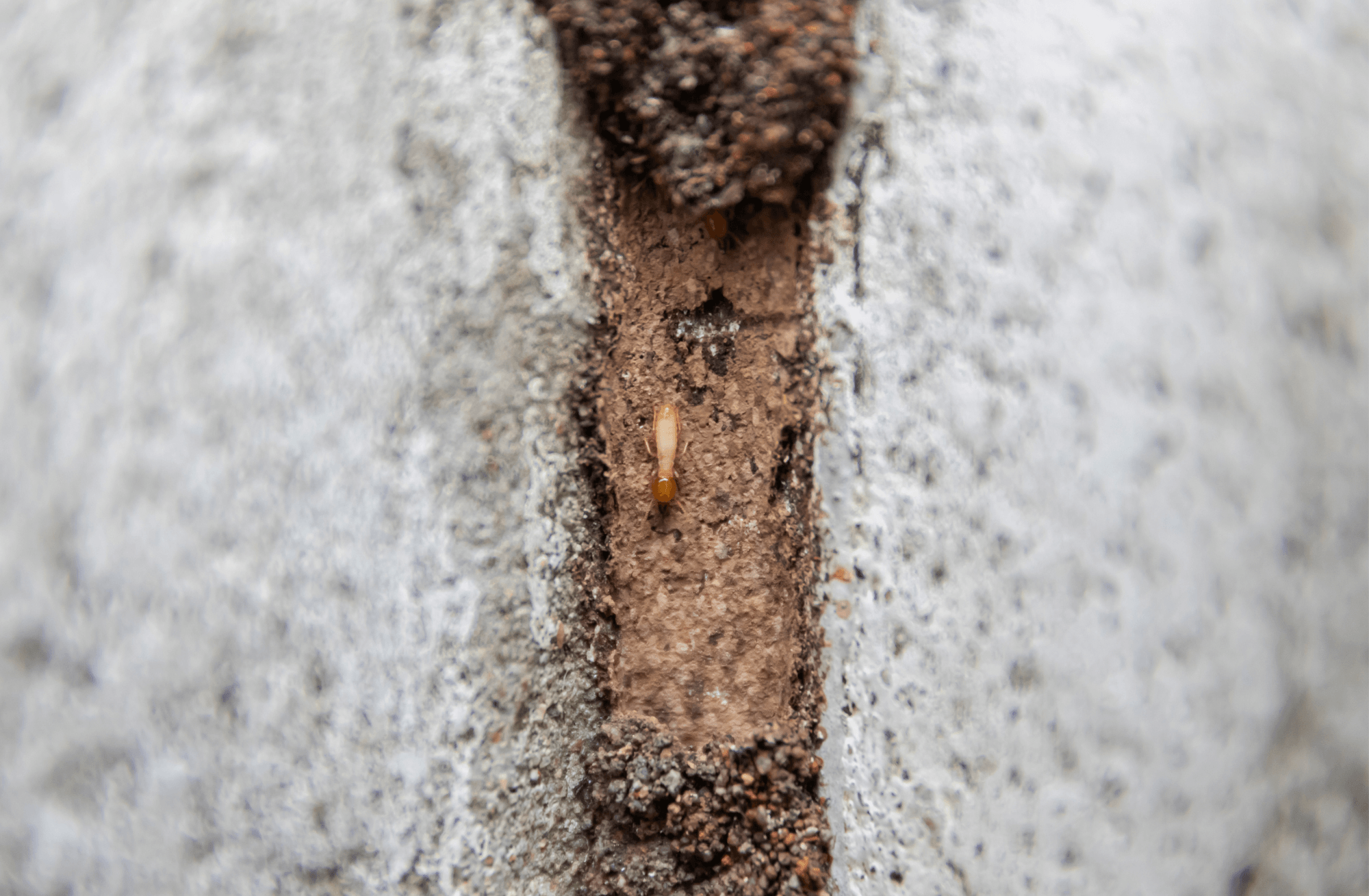
The insects simply adjust their habits slightly by moving deeper into the ground or clustering inside the warmer interior walls of a house. They use a closed network of mud tracks to shield themselves from dry winds and minor temperature drops. These mud tunnels maintain a perfect level of humidity, allowing the workers to travel from the backyard soil directly into your wall framing without losing body moisture. During our routine Brisbane winter audits, we routinely find these active mud trails disguised behind foam insulation board, beneath low-set decks, or running alongside hot water system pipes where the surrounding earth remains warm.
Because their movement stays hidden behind plasterboard and under floors, you will rarely see them on the surface during June or August. This hidden movement leads to a false sense of security for many families. They assume the subterranean pressure has gone away simply because the outdoor flying swarms have stopped for the year.
Our service records show that active colonies continue to chew through structural timbers throughout the entire winter season. Waiting until spring to check your property can give an established colony months of uninterrupted access to your floorboards and roof supports. Continuous monitoring remains the only reliable way to ensure these insects do not establish a permanent presence in your home.
The Real Cost of Skipping Your Cold Weather Property Protection

Postponing your scheduled property maintenance because of a change in season can lead to expensive repair bills down the track. When property owners delay their regular checks, they give hidden pests a window of opportunity to expand their underground paths. A colony that finds a path into a warm laundry or shower wall in winter can do massive amounts of damage before spring arrives.
The structural wood used in local house frames provides an ideal food source that pests can harvest silently. Because these insects consume wood from the inside out, a beam can look perfectly sound from the outside while being almost completely hollow on the inside. This hidden destruction threatens the overall safety of your structural integrity, often requiring major rebuilding work that home insurance policies generally do not cover.
Maintaining year-round property checks ensures that any small entry points or early signs of entry are caught early. Early detection is your best defence against severe financial loss. It allows for quick, targeted action before the colony spreads throughout the entire building structure.
Our team focuses on establishing consistent, reliable property protection plans that shield your building through every season. By keeping your defences active during the cooler months, you prevent pests from utilising seasonal weather drops to bypass your home safety barriers. You get real peace of mind knowing your home has constant protection from professional termite treatments.
Destructive Subterranean Species vs Drywood Intruders in Brisbane
Property owners should understand that different types of termites in Queensland require different environmental conditions to survive and thrive. The vast majority of structural issues in our local suburbs stem from subterranean varieties, which must maintain a connection to the earth. However, drywood varieties also pose a distinct threat to local timber assets.
Our inspectors note that older Queenslander homes with exposed bearer-and-stump designs are particularly vulnerable to drywood colonies. Conversely, modern slab-on-ground homes in newer estates frequently experience subterranean breaches via hidden cracks in the concrete slab.
- Subterranean Varieties: These insects live in large underground colonies and require constant contact with moist soil or an alternative reliable water source to avoid drying out. They construct covered mud trails to move safely from the ground into your house walls.
- Drywood Varieties: These pests do not need contact with the soil and can survive solely on the small amount of moisture found inside wood. They often enter a building through flying paths or via infested furniture pieces.
A detailed study on long-term patterns of local termite problems conducted by the University of Queensland highlighted that two specific subterranean groups dominate the Brisbane metropolitan area. The research revealed that Schedorhinotermes is the most common variety found both indoors and outdoors in our region, followed closely by the highly destructive Coptotermes variety.
Each group has unique biological traits that influence how they behave inside a home. Knowing exactly which variety is present on your land is essential for choosing the right treatment method. Professional identification ensures that your pest control strategy targets the specific habits of the invading colony.
Local Scientific Data Proves Pest Activity Never Stops
The ten-year scientific study tracking local property data across Brisbane postcodes provided clear insights into how these pests operate in our communities. The research proved that pest densities are highest in older, well-established riverside suburbs and residential areas spreading out from the central business district. Blue Chip’s data aligns directly with this finding since our teams see the highest rates of winter timber degradation within leafy, mature areas like Indooroopilly, Yeronga, and Paddington. This pattern matches the availability of mature trees, garden landscapes, and older timber-framed buildings.
Climate Metrics Impacting Colony Growth
- The Southern Oscillation Index (SOI): The scientific analysis showed a strong connection between the SOI and a rise in local property infestations. When weather cycles bring prolonged periods of high surface moisture, surface-feeding pests like Schedorhinotermes experience rapid colony growth. These insects respond quickly to changes in soil moisture, spreading easily through garden mulch and damp lawns.
- Deep Soil Moisture Buffers: Conversely, varieties like Coptotermes can dig deep into the earth during drier periods to secure moisture, keeping their core colony safe from drought. This biological resilience means that whether the local weather is unusually dry or exceptionally wet, your property remains under constant threat from one of these two dominant groups. The data confirms that local pest movement is a constant, year-round issue rather than a temporary summer problem.
How Rising Temperatures Are Expanding the Insect Threat Zones
Our understanding of pest behaviour continues to evolve with changing regional weather patterns. A landmark scientific study on temperature and wood decay rates published in the journal Science revealed that these wood-destroying insects become significantly busier as global temperatures rise. The international research team found that higher temperatures allow insects to discover wood sources faster and accelerate the breakdown of timber.
The project models indicate that wide wood-destroying varieties are likely to expand their territory further south, moving beyond traditional tropical zones into sub-tropical and temperate regions. This shift means local homes will face intense pest pressure as warm weather windows lengthen each year. A shorter winter period means the insects have even more time to grow their colonies and look for new food sources.
Scientists also warned that highly destructive varieties currently limited to tropical northern areas could move south into new zones in the near future. This expanding threat highlights why fixed seasonal treatment ideas are outdated. Homeowners need to adopt proactive, permanent security measures to safeguard their homes against these adapting environmental threats.
Spotting Hidden Warning Signs Around Your Home This Season
While professionals use advanced tools to locate hidden activity, homeowners can keep an eye out for basic warning signs around their property.
High-Risk Home Areas to Monitor
- Internal Timber Fixtures: Check your internal baseboards, doorframes, and window sills regularly for any signs of soft wood or slight blistering in the paintwork. If a timber surface feels hollow or breaks away easily when tapped, it may indicate that pests have consumed the interior structure.
- External Brickwork and Foundations: Look closely at your external brickwork, concrete foundations, and subfloor areas for the presence of narrow, earthy mud paths. These tracks are built by workers to travel safely between the ground and your interior house timbers. Pay special attention to the slab edge because modern building designs often hide this edge behind garden beds or pathways. This creates a blind spot that our technicians frequently have to clear to check for mud tracks.
- Drainage and Moisture Zones: Pay close attention to high-moisture zones, such as areas around external hot water overflow pipes, leaking garden taps, and unvented shower walls.
If you do happen to uncover active insects inside a wall or out in the garden, it is vital that you do not disturb them or spray them with standard household chemicals. Disturbing the track will simply cause the colony to abandon that specific area and retreat underground, only to re-emerge in a different, more hidden section of your home. Leave the area completely alone and contact a specialist to assess the situation safely.
Protect Your Home Today with Blue Chip Termite Inspections
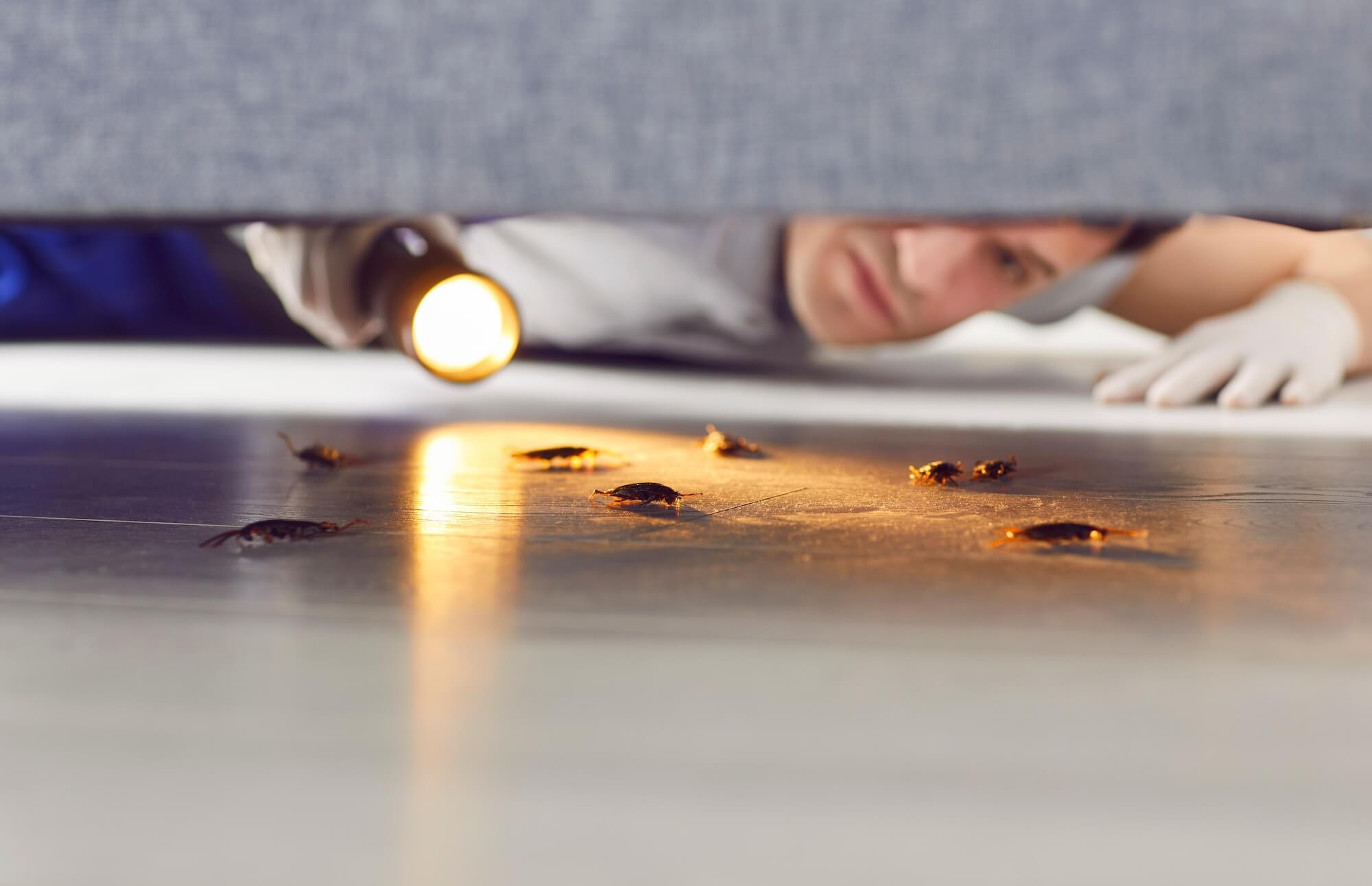
The most reliable way to protect your property is to book regular termite inspections with an experienced team. Our qualified technicians carry out every inspection in strict accordance with Australian Standards (AS 3660.1:2014 and AS 3660.2:2017). We examine your entire property thoroughly, checking fence lines, garden retaining walls, subfloors, internal living spaces, and roof cavities.
Our team utilises advanced technology to track hidden activity without causing unnecessary damage to your walls. We use high-resolution thermal imaging cameras, specialised moisture meters, and radar detection gear to see exactly what is happening behind your plasterboard. Every check concludes with a comprehensive, easy-to-read seven- to ten-page report that includes clear photographs of any identified risk zones.
By identifying entry points and moisture issues early, we help you resolve small problems before they turn into major structural repairs. Protecting your home is about consistent maintenance and utilising the right tools for the job. Get in touch with our team today to organise a comprehensive look at your property’s health.
Chemical Barriers Versus Baiting Systems for Brisbane Homes
When it comes to securing a building long-term, homeowners generally choose between a continuous chemical soil treatment and an active baiting network. Our preferred approach for nine out of ten properties involves creating a non-repellent liquid barrier using trusted options like Termidor or Termidor HE. These modern soil treatments work slowly to eliminate the entire colony when workers unknowingly carry the chemical back to their central nest.
| Feature / Detail | Liquid Chemical Barrier (e.g., Termidor) | Active Baiting System (e.g., Trelona / Sentricon) |
| How It Operates | Creates a continuous treated zone in the soil directly around the house foundations. | Uses discrete monitoring stations placed in the ground at regular intervals around the home. |
| Colony Impact | Slow-acting chemical transfers between insects to destroy the source colony. | Pests consume active bait matrices that disrupt their natural growth cycles. |
| Best Suited For | Standard flat blocks with clear soil access around the external walls. | Homes built on steep slopes, properties with deep footings, or infill concrete slabs. |
| Compliance | Installed to meet Australian Standards AS 3660.2 and AS 3660.3. | Installed and monitored according to manufacturer guidelines and local building codes. |
Alternative baiting networks like EXTERRA, Sentricon Always Active, or Trelona offer an excellent path forward for complex architectural designs. If your home is built into a hillside or features an infill slab, a baiting plan provides flexible, targeted protection without requiring extensive concrete drilling. Our team holds full commercial accreditation with leading manufacturers to ensure your chosen system is installed perfectly.
Act Now to Secure Your Biggest Asset from Silent Timber Destruction
Do not let a change in season leave your property vulnerable to hidden timber pests. The scientific data and local climate facts show clearly that waiting until summer to address pest control is a risky strategy for any local homeowner. Pests are working around the clock across our region, meaning your structural integrity plan needs to remain active every single day of the year.
Taking a proactive approach to home safety is the smartest way to protect your long-term financial security. Our team is ready to help you establish a reliable, stress-free maintenance schedule tailored to your specific suburb and building style. Contact Blue Chip Termite & Pest Control today to arrange an onsite consultation.
Frequently Asked Questions (FAQ)
Are termites active in winter across Brisbane properties?
Yes, our local mild climate allows wood-destroying pests to stay active and feed throughout the entire winter season. The insects simply move into warmer interior walls or deeper underground to stay warm while continuing to destroy house timbers. Homeowners should maintain their protection plans all year round to avoid leaving their property exposed during the cooler months. Our inspection teams routinely locate these winter migrations active behind laundry and bathroom wet walls across Brisbane.
What specific types of termites in Queensland cause the most damage?
The most destructive pests in our region are subterranean varieties, specifically from the Schedorhinotermes and Coptotermes groups. These ground-dwelling pests build extensive networks of mud tunnels to travel from the soil into residential house frames to find food. Knowing which types of termites in Queensland are present on your land is essential for choosing a successful professional treatment plan.
How often should I book a professional property check?
Property owners should organise a comprehensive professional inspection at least once every twelve months to satisfy standard home warranties. Properties located in high-risk bushland areas or suburbs with a history of pest issues often require checks every six months. Regular assessments ensure that any new entry paths or hidden colonies are intercepted before major structural issues develop.
Will regular garden mulch attract these pests to my house walls?
Standard garden mulch retains high levels of moisture and contains cellulose, which provides an ideal environment and food source for surface-feeding pests. Placing loose mulch directly against your external house walls creates a perfect path for insects to enter your home undetected. It is best to use pest-resistant timber varieties or keep garden beds separated from your main building foundations.
Can I use DIY spray to eliminate an active colony in my wall?
Using standard household aerosol sprays on visible pests is highly counterproductive because it only kills the few insects on the surface. A sudden disruption causes the rest of the colony to quickly abandon that path and move to another hidden section of your home. Professional technicians need to apply specialised, slow-acting treatments that workers can carry back to destroy the central nest completely.
What is the main difference between a chemical barrier and a baiting system?
A chemical barrier involves treating the soil directly around your house foundations to create a continuous zone that eliminates pests upon contact. A baiting system utilises a ring of discrete stations placed in the ground that attract and intercept foraging insects using a regulated growth inhibitor. The best choice depends entirely on your home construction style, block slope, and soil access.